About
I'm Rob.
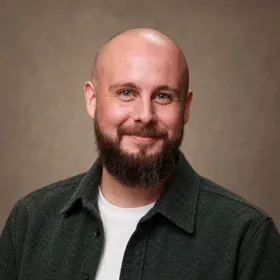
I'm a Senior Solutions Architect at Grafana Labs, based in Eastleigh in the south of England. Day to day that means observability, Kubernetes and platform architecture: helping teams work out how the Grafana LGTM stack fits into what they're already running, and why.
My background goes back further than Kubernetes. I started out on the service desk and build engineering side of things at Specsavers, then spent a few years in Linux systems roles at Cisco and Ultra Electronics, before landing at Ordnance Survey doing infrastructure-as-code and security work. From there I moved into pre-sales and then the CTO office at SUSE, working across EMEA and globally on Kubernetes and cloud native technology for the best part of six years. In between I co-founded Flickto, a media project incubator, as CTO - it grew to more than thirty people and shipped a product, but it didn't survive the wider market conditions. After that I built and led the Platform Engineering team at Pulselive, running the AWS and Kubernetes infrastructure behind some high-traffic sports products, before joining Grafana Labs in 2025.
Outside the day job I keep a homelab that has grown well past anything sensible, and most of my spare time goes into building the apps on m7kni.io with AI agents and working out how far that kind of tooling can be pushed. That's what most of the articles and notes on this site are about.
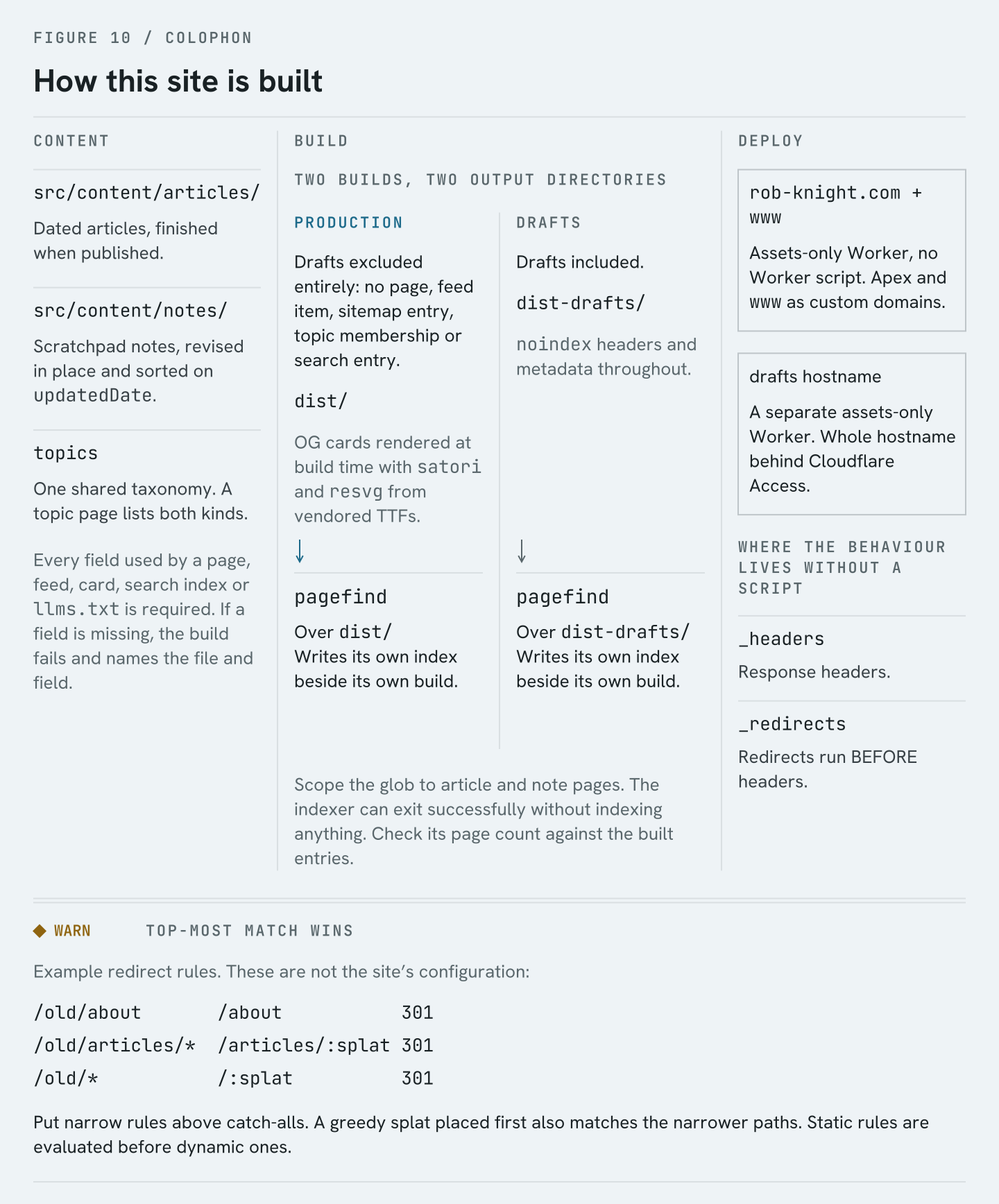
How this site is built
Astro, no framework and no client-side router. Content is Markdown in two collections, one shared taxonomy, and every field a page or a feed reads is required, so a missing one fails the build naming the file rather than shipping an empty tag. It builds twice, once with drafts excluded entirely and once with them included, and the two outputs go to separate Cloudflare Workers with the drafts hostname behind Access. There is no Worker script: the headers and redirects are files in the asset root.